Treatments
Plasma Pen & Plasma IQ Skin Tightening
Plasma Pen & Plasma IQ Skin Tightening in Bournemouth, Christchurch & Poole | Lisa Kendall Medical Aesthetic Nurse
Searching for a non-surgical eyelift or skin tightening solution in Dorset? The Plasma Pen—also known as plasma fibroblast therapy or plasma skin resurfacing—offers a revolutionary way to tighten loose skin, smooth wrinkles and rejuvenate delicate areas without a scalpel. At Lisa Kendall Medical Aesthetics, serving Bournemouth, Christchurch, Poole and the wider Dorset coast, Independent Nurse Prescriber Lisa Kendall delivers this advanced treatment using medical-grade plasma technology to help you achieve firmer, more youthful-looking skin.
What Is Plasma Pen?
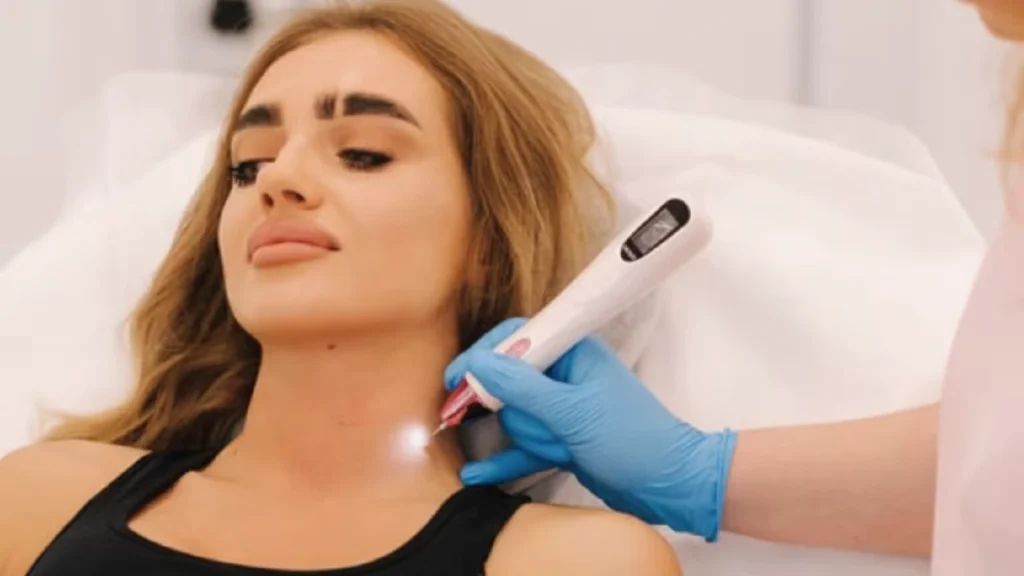
Plasma Pen is a handheld device that harnesses the power of plasma—the fourth state of matter—to create controlled micro-injuries on the skin’s surface. The device generates a small electrical arc (a hot, ionised gas) that hovers just above the skin without ever touching it. This targeted energy creates tiny, precise dots of controlled thermal disruption, known as “plasma points.”
Each plasma point triggers an immediate contraction of the surrounding tissue while simultaneously stimulating fibroblast cells in the deeper dermis. These fibroblasts are the collagen- and elastin-producing powerhouses responsible for keeping skin firm, supple and resilient. By activating them, Plasma Pen encourages your body to repair, regenerate and tighten the skin naturally from within. Source
Unlike surgical procedures that remove skin with incisions and sutures, Plasma Pen is non-invasive, requires no general anaesthetic and works with your body’s own healing mechanisms to achieve gradual, natural-looking rejuvenation.
The Benefits of Plasma Pen Treatment
- Non-surgical alternative to blepharoplasty – Tightens hooded eyelids and under-eye bags without going under the knife.
- Stimulates natural collagen and elastin – Works with your biology, not against it, for genuine skin renewal.
- Precision targeting – Ideal for small, delicate areas such as the eyes, lips and neck where other treatments may be too aggressive.
- Minimal downtime compared to surgery – Most patients resume normal activities within a week.
- Long-lasting results – Excess skin removed or tightened can last for years, with natural ageing continuing gradually.
- Versatile treatment – Addresses wrinkles, scars, stretch marks, skin tags and textural irregularities in one device.
- No stitches, no scars – The micro-injuries heal naturally without surgical incision lines.
What Skin Imperfections and Concerns Can Plasma Pen Improve?
Plasma Pen is one of the most versatile non-surgical devices in aesthetic medicine. At Lisa Kendall Medical Aesthetics, it is used to target:
Eye Area Rejuvenation (Non-Surgical Blepharoplasty)
- Hooded or heavy upper eyelids – Lifts and tightens excess skin that folds over the eye socket.
- Under-eye bags and laxity – Firms crepey skin and reduces the tired appearance beneath the eyes.
- Crow's feet – Softens fine lines at the outer corners of the eyes.
- Wrinkles around the eyes – Smooths periorbital creases for a more open, alert appearance.
Facial Lines and Texture
- Smoker's lines – Vertical lines above the upper lip.
- Forehead lines and frown lines – Reduces horizontal and glabellar wrinkles.
- Nasolabial folds and marionette lines – Softens creases around the mouth and nose.
- Neck laxity – Tightens loose, crepey skin on the neck and décolletage.
Scars, Blemishes and Skin Irregularities
- Acne scars – Reduces the appearance of pitted and atrophic scarring.
- Stretch marks – Improves texture and colour of striae on the body.
- Skin tags and warts – Permanently removes benign lesions.
- Uneven skin tone and texture – Refines surface irregularities and promotes a smoother complexion.
Downtime, Recovery and What to Expect
Plasma Pen is a non-surgical treatment, but it is not a “zero-downtime” procedure. Understanding the healing process is essential to achieving the best possible outcome.
Immediate Aftermath
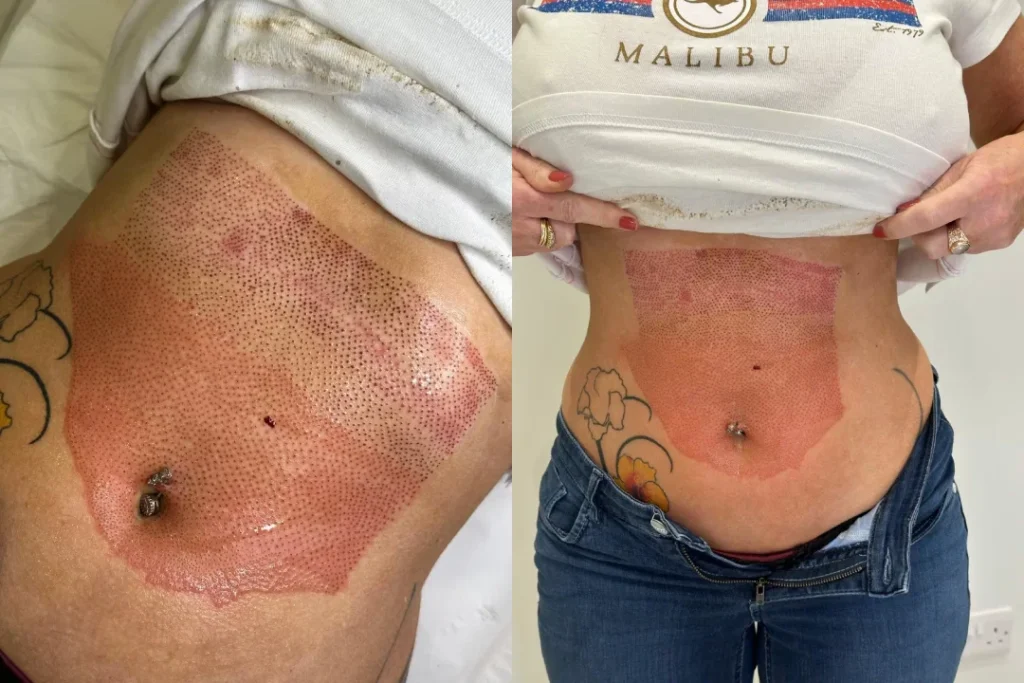
Immediately after treatment, you will see tiny brown carbon crusts (scabs) at each plasma point. The treated area will be red, swollen and may feel warm or tender—similar to a mild sunburn. Swelling is most pronounced in the first 24 to 48 hours, particularly around the delicate eye area.
The Healing Timeline
- Days 1–3: Redness and swelling gradually subside. The carbon crusts remain intact.
- Days 5–8: The tiny scabs begin to flake away naturally. It is critical that you do not pick, scratch or rub them, as this can lead to scarring or pigmentation changes.
- Days 7–10: Most crusts have fallen off, revealing fresh, pink new skin beneath. Makeup can typically be resumed once all scabs have detached.
- Weeks 3–4: Collagen and elastin production continues beneath the surface, and the skin appears progressively tighter, smoother and more refined.
Aftercare Essentials
- Lisa provides comprehensive post-treatment guidance, including:
- Keeping the area clean and dry; no water on the face for the first 24 hours.
- Applying only clinician-approved healing balms—no active skincare (acids, retinoids, vitamin C) for at least 2 weeks.
- SPF 50+ daily to protect healing skin and prevent hyperpigmentation.
- Avoiding sun exposure, tanning beds, saunas, swimming and strenuous exercise until fully healed.
- Sleeping with your head elevated for the first few nights to reduce swelling.
Who Is Not Suitable for Plasma Pen? Contraindications and Precautions
Plasma Pen is a powerful device that is not suitable for everyone. As a registered medical professional, Lisa Kendall conducts a thorough medical screening to ensure your safety. You may not be eligible if:
- You are pregnant or breastfeeding.
- You have a pacemaker or other implanted electrical device.
- You have a history of keloid or hypertrophic scarring – The thermal nature of the treatment may trigger abnormal scar formation.
- You have diabetes, healing disorders or lymphatic drainage issues – These conditions impair the skin's ability to recover.
- You have active skin infections, cold sores or open wounds in the treatment area. Patients with a history of herpes simplex (cold sores) around the lips must obtain antiviral medication (such as Valtrex) from their GP and begin taking it 3 days before treatment.
- You are using isotretinoin (Roaccutane) for acne, or have used it within the past 6 months – This medication significantly compromises wound healing.
- You have autoimmune conditions or are immunosuppressed – Your body's ability to heal and fight infection may be compromised.
- You have a history of hyperpigmentation or melasma – Thermal treatments can trigger post-inflammatory pigmentation, particularly in darker skin tones (Fitzpatrick IV–VI), which are generally not suitable for Plasma Pen.
- You have a sunburn, active tan or artificial tan – Treatment must be postponed until the skin has returned to its natural baseline colour.
- You have allergies to topical anaesthetics (e.g., lidocaine) – Numbing cream is essential for comfort during the procedure.
- You have body dysmorphia or unrealistic expectations – A medical professional will always prioritise psychological wellbeing alongside physical safety.
- Additionally, you must wait at least 4 weeks after receiving Botox, dermal fillers, laser treatments or chemical peels in the area before undergoing Plasma Pen.
Azzalure is clinically proven and expertly used to reduce the appearance of:
Why Choose Lisa Kendall for Plasma Pen in Dorset?
When searching for “Plasma Pen Bournemouth,” “non-surgical eyelift Christchurch,” “plasma fibroblast Poole” or “skin tightening Dorset,” you need a medically qualified professional who understands both the transformative potential and the serious risks of thermal aesthetic devices.
Lisa Kendall is a fully qualified Independent Nurse Prescriber and registered medical aesthetic nurse. Plasma Pen is not a treatment for beauty therapists or unregulated practitioners—it is a medical procedure that requires in-depth knowledge of skin anatomy, wound healing, sterile technique and emergency management.
What Sets Lisa Apart?
- Independent Nurse Prescriber: Lisa holds full prescribing authority and clinical accountability under the Nursing and Midwifery Council (NMC). She can legally assess your medical suitability, manage complications and prescribe necessary medications such as antivirals or antibiotics.
- Medical-Grade Device and Sterile Environment: Lisa uses only professional, CE-marked plasma technology in a clinical setting with full infection control protocols—never cheap, unregulated devices.
- Honest Medical Assessment: Lisa will tell you honestly if Plasma Pen is not suitable for your skin type, concern or medical history. Patient safety always takes precedence over revenue.
- Comprehensive Aftercare Support: Unlike non-medical clinics that discharge you without follow-up, Lisa provides detailed aftercare instructions, check-in support and emergency contact details to ensure your healing is on track.
- Combination Treatment Planning: Lisa can integrate Plasma Pen into a broader rejuvenation plan alongside skin boosters, microneedling and medical-grade skincare for comprehensive results.
- Dorset's Trusted Aesthetic Nurse: Conveniently located for clients across Bournemouth, Christchurch, Poole, Ringwood and the Dorset coast.
Book Your Plasma Pen Consultation in Bournemouth, Christchurch or Poole
Ready to tighten loose skin, lift hooded eyelids or smooth stubborn lines without surgery? Lisa Kendall Medical Aesthetics offers the medical expertise, clinical safety and personalised care you need for plasma fibroblast treatment.
A full medical assessment and patch test are required at least 2 weeks before your first treatment.

Frequently Asked Questions
What is Plasma Pen and how does it work?
Plasma Pen is an advanced non-surgical device that uses plasma energy—an ionised gas—to create controlled micro-injuries on the skin’s surface. The device generates a small electrical arc that hovers just above the skin without touching it, producing tiny “plasma points.” These points trigger immediate tissue contraction and stimulate fibroblast cells in the deeper dermis to produce new collagen and elastin. Over the following weeks, your skin naturally tightens, smooths and regenerates from within.
What skin concerns can Plasma Pen treat?
Plasma Pen is exceptionally versatile and can improve:
- Hooded or heavy upper eyelids – A non-surgical alternative to blepharoplasty
- Under-eye bags and laxity – Firms crepey, tired-looking under-eye skin
- Crow’s feet and periorbital wrinkles – Softens fine lines around the eyes
- Smoker’s lines – Vertical lines above the upper lip
- Forehead lines and frown lines – Reduces horizontal and glabellar creases
- Nasolabial folds and marionette lines – Softens creases around the mouth
- Neck laxity and crepey décolletage – Tightens loose skin
- Acne scars and stretch marks – Improves texture and appearance
- Skin tags and warts – Permanently removes benign lesions
- Uneven skin tone and texture – Refines surface irregularities
Is Plasma Pen painful?
Most patients experience mild to moderate discomfort rather than pain. A topical numbing cream is applied to the treatment area before the procedure to ensure your comfort. The sensation is often described as tiny hot pinpricks or a brief snapping feeling. Sensitive areas such as the eyelids and upper lip may feel slightly more intense, but the treatment is generally very well tolerated.
What is the downtime after Plasma Pen?
Plasma Pen is non-surgical but requires a dedicated healing period. Immediately after treatment, you will see tiny brown carbon crusts (scabs) at each plasma point, along with redness and swelling—similar to a mild sunburn. Swelling is most pronounced in the first 24 to 48 hours, particularly around the eyes.
Healing timeline:
- Days 1–3: Redness and swelling subside; crusts remain intact
- Days 5–8: Scabs begin to flake away naturally—do not pick or rub them
- Days 7–10: Most crusts have fallen off; makeup can typically be resumed
- Weeks 3–4: Skin appears progressively tighter, smoother and more refined as collagen builds
Most patients resume normal activities within a week, though social downtime of 7 to 10 days should be planned.
How long do Plasma Pen results last?
Results from Plasma Pen can last for several years, as the excess skin that has been tightened or removed does not return. However, the natural ageing process continues, so gradual changes will occur over time. Many patients choose a maintenance session every 1 to 2 years to preserve their results. Lifestyle factors such as sun exposure, smoking and skincare habits significantly influence longevity.
Who is the ideal candidate for Plasma Pen?
You may be an ideal candidate if you:
- Have mild to moderate skin laxity, particularly around the eyes, mouth or neck
- Want a non-surgical alternative to blepharoplasty or neck lift surgery
- Have realistic expectations about gradual, natural-looking improvement
- Are in good general health with no contraindicating medical conditions
- Have lighter skin tones (Fitzpatrick I–III) for optimal safety
- Can commit to the required aftercare and healing period
Who is not suitable for Plasma Pen?
Plasma Pen is not suitable if you:
- Are pregnant or breastfeeding
- Have a pacemaker or implanted electrical device
- Have a history of keloid or hypertrophic scarring
- Have diabetes, healing disorders or lymphatic drainage issues
- Have active skin infections, cold sores or open wounds in the treatment area
- Are using isotretinoin (Roaccutane) or have used it within the past 6 months
- Have autoimmune conditions or are immunosuppressed
- Have a history of hyperpigmentation or melasma, or have darker skin tones (Fitzpatrick IV–VI)
- Have a sunburn, active tan or artificial tan
- Have allergies to topical anaesthetics such as lidocaine
You must also wait at least 4 weeks after receiving Botox, dermal fillers, laser treatments or chemical peels in the area before undergoing Plasma Pen.
Can Plasma Pen be combined with other treatments?
Yes, but timing is critical. Plasma Pen can be integrated into a broader rejuvenation plan alongside skin boosters, microneedling, anti-wrinkle injections and medical-grade skincare—provided adequate healing time is allowed between procedures. Lisa will design a safe, sequenced treatment plan during your consultation to ensure each modality complements the next without compromising your skin’s recovery.
What aftercare is required following Plasma Pen?
Proper aftercare is essential to prevent complications and optimise results. Lisa provides detailed instructions, including:
- Keeping the area clean and dry; no water on the face for the first 24 hours
- Applying only clinician-approved healing balms—no active skincare (acids, retinoids, vitamin C) for at least 2 weeks
- SPF 50+ daily to protect healing skin and prevent hyperpigmentation
- Avoiding sun exposure, tanning beds, saunas, swimming and strenuous exercise until fully healed
- Sleeping with your head elevated for the first few nights to reduce swelling
- Never picking, scratching or rubbing the carbon crusts
Are there any risks or side effects?
When administered by a qualified medical professional, Plasma Pen is safe. However, as with any thermal aesthetic treatment, risks include:
- Temporary redness, swelling and tenderness
- Carbon crusts/scabbing that must heal naturally
- Pigmentation changes (hyperpigmentation or hypopigmentation), particularly in darker skin tones or with inadequate sun protection
- Scarring if scabs are picked or aftercare is not followed
- Infection if the area is not kept clean during healing
- Prolonged swelling in sensitive areas such as the eyelids
Lisa’s medical training ensures these risks are minimised through proper technique, sterile protocols and comprehensive aftercare guidance.
How many Plasma Pen sessions will I need?
Most patients achieve significant improvement from a single session. However, depending on the severity of skin laxity, the area treated and your individual healing response, a second session may be recommended after 8 to 12 weeks to refine and enhance results. Lisa will advise on the optimal treatment plan during your consultation.
Why should I choose Lisa Kendall for Plasma Pen in Dorset?
When searching for “Plasma Pen Bournemouth,” “non-surgical eyelift Christchurch,” “plasma fibroblast Poole” or “skin tightening Dorset,” you need a medically qualified professional—not a beauty therapist with a device.
Lisa Kendall is a fully qualified Independent Nurse Prescriber and registered medical aesthetic nurse. She brings:
- Independent Nurse Prescriber status: Full prescribing authority to assess your medical suitability, manage complications and prescribe necessary medications
- Medical-grade device and sterile environment: Only professional, CE-marked plasma technology in a clinical setting
- Honest medical assessment: Lisa will tell you honestly if Plasma Pen is not suitable for your skin type or medical history
- Comprehensive aftercare support: Detailed instructions, check-in support and emergency contact details
- Combination treatment planning: Safely integrating Plasma Pen into a broader rejuvenation strategy
- Dorset’s trusted aesthetic nurse: Conveniently located for Bournemouth, Christchurch, Poole, Ringwood and the Dorset coast
Disclaimer: Plasma Pen is a medical aesthetic treatment that carries risks including redness, swelling, scabbing, pigmentation changes and, in rare cases, scarring. A face-to-face consultation, medical history review and patch test are mandatory before treatment. Results vary between individuals. Lisa Kendall is a registered Independent Nurse Prescriber operating within UK medical aesthetics regulations. Plasma Pen is not suitable for all skin types; suitability will be determined during your clinical assessment.