Treatments
Platelet Rich Plasma
Platelet Rich Plasma (PRP) in Bournemouth, Christchurch & Poole | Lisa Kendall Medical Aesthetic Nurse
Searching for a natural, regenerative approach to skin rejuvenation in Dorset? Platelet Rich Plasma (PRP)—often called the “Vampire Facial”—harnesses your body’s own healing power to restore radiance, smooth imperfections and turn back the clock without synthetic chemicals or surgery. At Lisa Kendall Medical Aesthetics, serving Bournemouth, Christchurch, Poole and the wider Dorset coast, Independent Nurse Prescriber Lisa Kendall delivers this advanced autologous treatment in a safe, clinical environment for results that are entirely your own.
What Is Platelet Rich Plasma (PRP)?
Platelet Rich Plasma is a concentrated portion of your own blood that is rich in platelets and growth factors—the very components your body uses to heal wounds, repair tissue and stimulate cell regeneration. Platelets contain powerful signalling proteins such as PDGF, TGF-β, VEGF and EGF, which recruit stem cells, trigger collagen synthesis and enhance blood supply to the treated area.
Unlike dermal fillers or Botox, PRP contains nothing artificial. It is 100% autologous—derived entirely from your own bloodstream—making it one of the safest and most biocompatible treatments in aesthetic medicine.
The PRP Process at Lisa Kendall Medical Aesthetics
Your treatment follows a precise, medically controlled three-step protocol:
- Consultation and Blood Draw
Your journey begins with a thorough face-to-face consultation. Lisa reviews your medical history, assesses your skin concerns and confirms your suitability. A small sample of blood—typically 10 to 20ml—is drawn from your arm, just like a routine blood test.
- Centrifugation and PRP Isolation
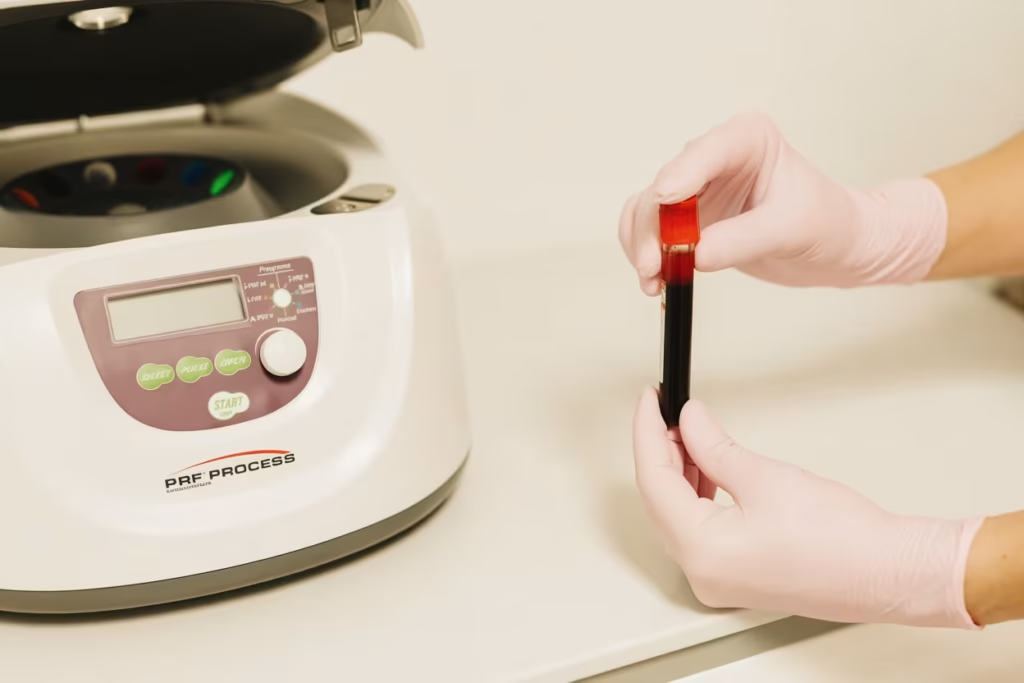
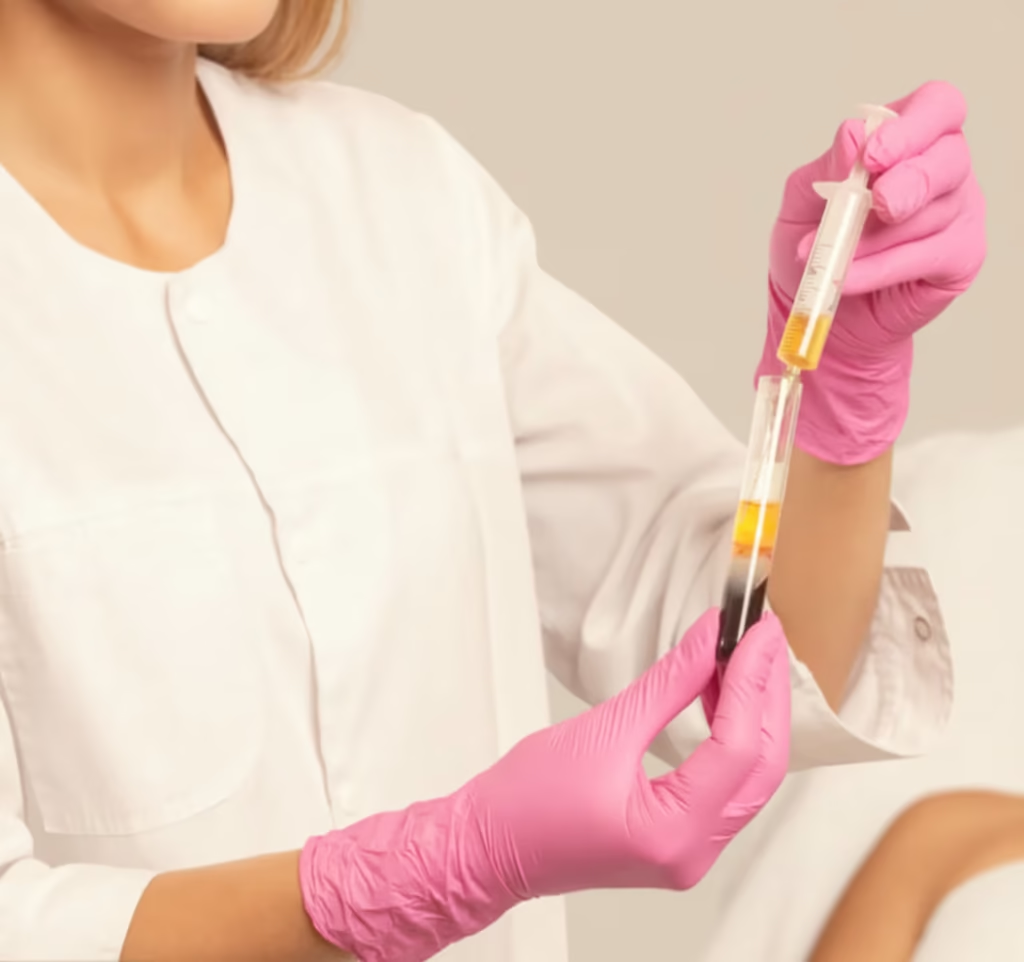
Your blood is placed in a sterile, medical-grade centrifuge and spun at high speed for 10 to 15 minutes. This separates the blood into layers: red blood cells sink to the bottom, while the golden platelet-rich plasma rises to the top. The PRP is carefully extracted, yielding a concentrated serum containing up to 5 times the normal platelet count.
- Reintroduction and Activation
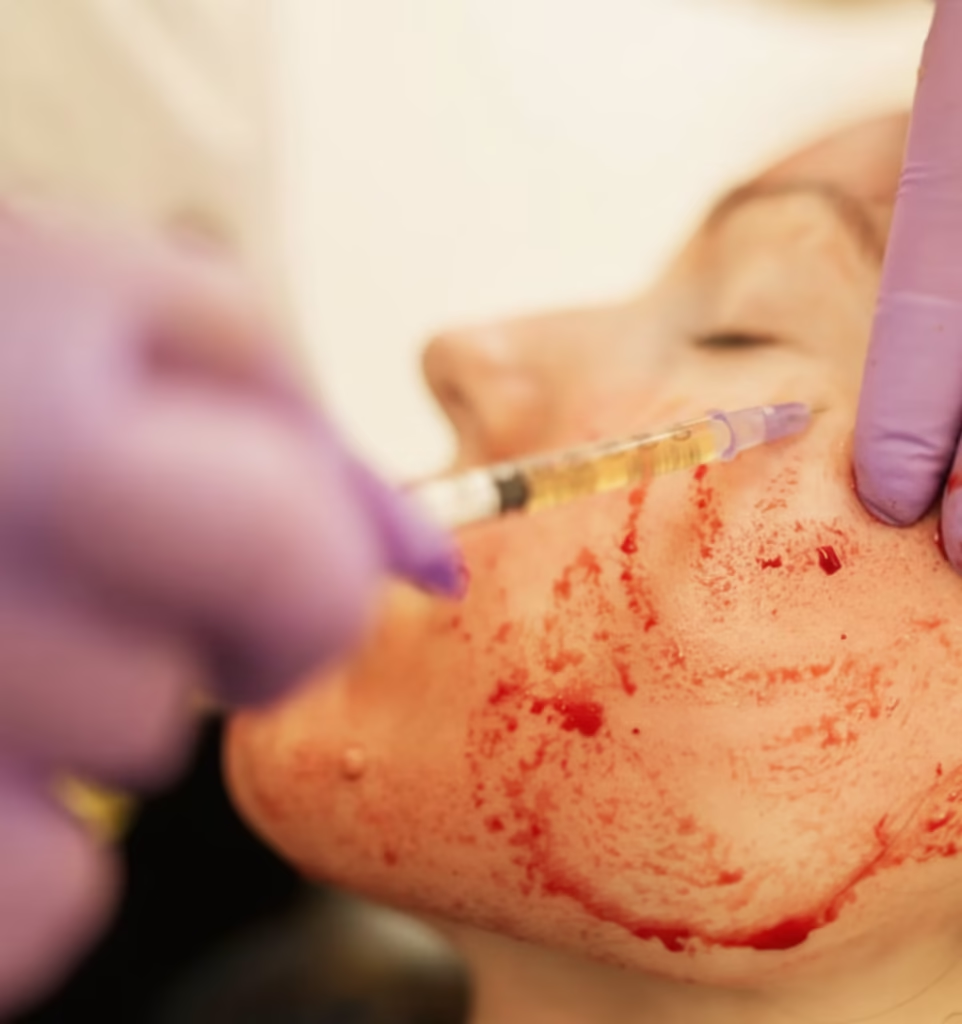
The PRP is either injected directly into targeted areas using fine needles, applied topically in combination with microneedling (the “Vampire Facial”), or both. Once introduced into the skin, the activated platelets release their growth factors, initiating a cascade of collagen production, tissue repair and cellular renewal that continues for weeks.
The entire procedure takes approximately 45 to 60 minutes.
The Benefits of PRP
- Completely natural and autologous – No synthetic chemicals, no risk of allergic reaction or rejection.
- Stimulates collagen and elastin – Rebuilds the skin's structural foundation from within.
- Improves skin texture, tone and radiance – Restores a smoother, more luminous complexion.
- Reduces fine lines and wrinkles – Softens early signs of ageing through dermal remodelling.
- Minimises acne scars and stretch marks – Promotes regeneration of healthy tissue over damaged areas.
- Rejuvenates the under-eye area – Improves dark circles, hollowing and crepey texture without filler.
- Supports hair restoration – Can reinvigorate dormant hair follicles when used on the scalp.
- Minimal downtime – Most patients resume normal activities within 24 to 48 hours.
- Long-lasting results – Improvements continue for up to 12 weeks, with results lasting 12 to 18 months or more.
What Skin Imperfections and Concerns Can PRP Improve?
PRP is one of the most versatile regenerative treatments in aesthetic medicine. At Lisa Kendall Medical Aesthetics, it is used to target:
Facial Rejuvenation
- Fine lines and wrinkles – Forehead lines, crow's feet, perioral creases and early ageing.
- Dull, tired skin – Restores radiance and vitality to depleted complexions.
- Uneven skin tone and texture – Smooths roughness, refines pores and improves overall skin quality.
- Loss of firmness and elasticity – Tightens and lifts through natural collagen stimulation.
Acne Scars and Textural Repair
- Atrophic acne scars – PRP accelerates healing and promotes tissue regeneration in pitted, rolling and boxcar scars.
- Surgical and traumatic scars – Improves scar texture, pliability and colour.
- Stretch marks (striae) – Encourages collagen remodelling in damaged dermal tissue.
Delicate Under-Eye Rejuvenation
- Dark circles and hollowing – PRP improves microcirculation and skin quality in the fragile periorbital area.
- Crepey under-eye texture – Thickens and hydrates thin skin without the risks of tear trough filler.
Hair Restoration
- Thinning hair and pattern hair loss – When injected into the scalp, PRP can stimulate dormant follicles, increase hair density and improve hair shaft quality.
Combination Therapy
- PRP is frequently combined with microneedling, fractional laser resurfacing, dermal fillers and anti-wrinkle injections to amplify results and accelerate recovery.
Downtime, Recovery and What to Expect
PRP is a minimally invasive treatment with manageable, short-lived side effects. Because it uses your own blood, the risk of adverse reactions is extremely low.
Immediate Aftermath
- Following treatment, you can expect:
- Mild redness and warmth – Similar to a sunburn, lasting 24 to 48 hours.
- Swelling – Particularly around the eyes or lips if treated, subsiding within 2 to 3 days.
- Bruising or tenderness – At injection sites, typically resolving within 3 to 7 days.
- A tight or "full" sensation – As the growth factors begin their work beneath the surface.
Recovery Timeline
- Same day: Most patients return to normal activities immediately, though strenuous exercise should be avoided.
- 24 hours: Makeup can be applied (if microneedling was not performed); redness significantly diminishes.
- 3 to 7 days: Any bruising or swelling resolves; skin begins to feel smoother and more hydrated.
- 2 to 4 weeks: First visible improvements in texture and radiance appear.
- 3 months: Optimal collagen remodelling is achieved, with continued enhancement up to 12 weeks.
Aftercare Essentials
- Lisa provides comprehensive post-treatment guidance, including:
- SPF 30+ daily to protect healing skin
- Avoiding direct heat (saunas, sunbeds, hot showers) for 24 to 48 hours
- Avoiding strenuous exercise and alcohol for 24 hours
- Using only gentle, non-active skincare for 3 to 5 days
- Sleeping with your head elevated to reduce swelling
Who Is Not Suitable for PRP? Contraindications and Safety
PRP is remarkably safe, but it is not suitable for everyone. As a registered medical professional, Lisa Kendall conducts a thorough medical screening to ensure your safety. You may not be eligible if you have:
Absolute Contraindications
- Platelet dysfunction syndrome or critical thrombocytopenia (low platelet count)
- Haemodynamic instability or severe anaemia
- Sepsis or acute/chronic infections
- Cancer, particularly haematological malignancies
- Pregnancy or breastfeeding
Relative Contraindications
- Chronic liver disease or severe metabolic/systemic disorders
- Anti-coagulation therapy (warfarin, heparin, dabigatran, aspirin)
- Systemic corticosteroid use within two weeks of treatment
- Heavy smoking, drug or alcohol use – These impair healing and platelet function
- History of herpes simplex (cold sores) – Antiviral prophylaxis (acyclovir or valacyclovir) is required before facial treatment
- Recent fever or illness – Treatment should be postponed until fully recovered
- Unrealistic expectations – A medical professional will always prioritise psychological wellbeing
- A baseline assessment of your medical history is mandatory. In some cases, Lisa may request a blood test to confirm platelet count and haemoglobin levels before proceeding.
Why PRP Must Be Performed by a Qualified Medical Professional
PRP is a medical procedure, not a beauty treatment. It involves venepuncture (blood draw), centrifugation of biological material, sterile handling and either injection or microneedling—all of which require medical training, clinical governance and strict infection control.
In the UK, PRP must only be performed by a registered healthcare professional—such as a doctor, dentist or nurse prescriber—because:
- Blood handling and centrifugation require knowledge of haematology, cross-contamination prevention and equipment sterilisation
- Injection technique demands anatomical expertise to avoid vessels, nerves and sensitive structures
- Medical assessment is essential to identify contraindications such as clotting disorders, sepsis or platelet dysfunction that could endanger the patient
- Emergency management of rare complications (infection, prolonged bleeding, nerve injury) requires clinical training and prescribing authority
- Sterile technique must be maintained at every stage to prevent bacterial contamination or blood-borne pathogen exposure
- At Lisa Kendall Medical Aesthetics, your PRP treatment is conducted in a fully regulated clinical environment with medical-grade centrifugation systems, sterile single-use consumables and full emergency protocols. This is not a salon treatment—this is regenerative medicine.
Why Choose Lisa Kendall for PRP in Dorset?
When searching for “PRP Bournemouth,” “Vampire Facial Christchurch,” “platelet rich plasma Poole” or “regenerative skin treatment Dorset,” you need a medically qualified professional who understands both the science of haematology and the art of aesthetic rejuvenation.
Lisa Kendall is a fully qualified Independent Nurse Prescriber and registered medical aesthetic nurse. She brings a unique combination of clinical expertise and aesthetic sensitivity to every PRP treatment.
What Sets Lisa Apart?
- Independent Nurse Prescriber: Lisa holds full prescribing authority and clinical accountability under the Nursing and Midwifery Council (NMC). She can legally assess your medical suitability, manage complications, prescribe antiviral prophylaxis and oversee your entire treatment journey.
- Medical-Grade PRP Protocol: Lisa uses only validated, CE-marked centrifugation systems and sterile, single-use consumables—never unregulated kits or salon-grade equipment.
- Bespoke Treatment Delivery: PRP is administered via injection, microneedling, or a combination of both—tailored to your specific skin concerns, pain tolerance and goals.
- Comprehensive Medical Screening: A full face-to-face consultation and medical history review are mandatory. Lisa will not proceed if PRP is unsafe or unsuitable for you.
- Combination Expertise: Lisa safely integrates PRP with microneedling, skin boosters, anti-wrinkle injections and medical-grade skincare for synergistic, transformative results.
- Dorset's Trusted Aesthetic Nurse: Conveniently located for clients across Bournemouth, Christchurch, Poole, Ringwood and the Dorset coast.
Book Your PRP Consultation in Bournemouth, Christchurch or Poole
Ready to unlock your skin’s natural regenerative potential? Whether you want to smooth acne scars, brighten dull skin, rejuvenate tired eyes or restore a youthful glow, Lisa Kendall Medical Aesthetics offers the medical expertise, clinical safety and personalised care you deserve.

Frequently Asked Questions
What is Platelet Rich Plasma (PRP)?
Platelet Rich Plasma is a concentrated portion of your own blood that is rich in platelets and growth factors—the natural components your body uses to heal wounds and regenerate tissue. When reintroduced into the skin, PRP stimulates collagen production, improves blood supply and triggers cellular renewal. It is 100% autologous, meaning it contains nothing synthetic and carries no risk of allergic reaction or rejection.
How does the PRP treatment work?
The procedure follows a precise three-step medical protocol:
- Blood draw – A small sample (10 to 20ml) is taken from your arm
- Centrifugation – Your blood is spun in a sterile, medical-grade centrifuge to separate the platelet-rich plasma from red blood cells, yielding a golden serum with up to 5 times the normal platelet concentration
- Reintroduction – The PRP is either injected into targeted areas, applied topically during microneedling (the Vampire Facial), or both
The entire process takes approximately 45 to 60 minutes.
What skin concerns can PRP improve?
PRP is exceptionally versatile and can treat:
- Fine lines and wrinkles – Forehead lines, crow’s feet and perioral creases
- Dull, tired or ageing skin – Restores radiance and vitality
- Uneven skin texture and enlarged pores – Refines and smooths the complexion
- Acne scars and stretch marks – Promotes regeneration of damaged tissue
- Under-eye dark circles and hollowing – Improves microcirculation and skin quality without filler
- Loss of firmness and elasticity – Tightens through natural collagen stimulation
- Thinning hair – Can reinvigorate dormant hair follicles when used on the scalp
Is PRP safe?
Yes. Because PRP is derived entirely from your own blood, it is one of the safest treatments in aesthetic medicine. There is no risk of allergic reaction, rejection or disease transmission. As with any injection or microneedling procedure, there is a small risk of bruising, swelling or infection, but these are minimised when the treatment is performed by a qualified medical professional in a sterile, clinical environment.
What is the downtime after PRP?
Downtime is minimal. Most patients experience:
- Mild redness and warmth for 24 to 48 hours (similar to a sunburn)
- Swelling, particularly around sensitive areas such as the eyes, subsiding within 2 to 3 days
- Bruising or tenderness at injection sites, resolving within 3 to 7 days
Most patients resume normal activities immediately, though strenuous exercise and alcohol should be avoided for 24 hours. Makeup can typically be applied after 24 hours if microneedling was not performed.
How many PRP sessions will I need?
This depends on your skin concern and goals. For general facial rejuvenation, a course of 3 treatments spaced 4 to 6 weeks apart is typically recommended. For acne scarring or significant textural issues, 3 to 4 sessions may be required. For hair restoration, a course of 4 to 6 sessions is often advised. Many patients choose a single maintenance session every 6 to 12 months to sustain their results.
When will I see results?
You may notice an initial “glow” and improved hydration within the first week as the growth factors begin their work. However, the true transformation occurs over 3 to 12 weeks as collagen and elastin remodelling progresses beneath the surface. Results are cumulative, with each session building upon the last for progressively firmer, smoother and more radiant skin.
How long do PRP results last?
Results typically last 12 to 18 months, depending on your age, lifestyle, skin condition and the number of sessions completed. Factors such as sun exposure, smoking, diet and skincare habits significantly influence longevity. Regular maintenance sessions help preserve your results long-term.
Who is not suitable for PRP?
PRP is not suitable if you:
- Are pregnant or breastfeeding
- Have platelet dysfunction syndrome or a critically low platelet count
- Have haemodynamic instability or severe anaemia
- Have sepsis or an active acute/chronic infection
- Have cancer, particularly blood cancers
- Are on anti-coagulation therapy (warfarin, heparin, dabigatran) or have a bleeding disorder
- Have used systemic corticosteroids within two weeks of treatment
- Are a heavy smoker or have significant drug or alcohol use that impairs healing
- Have a history of herpes simplex (cold sores) on the face—antiviral prophylaxis is required
- Have had a recent fever or illness—treatment should be postponed until fully recovered
During your free consultation in Bournemouth, Lisa will review your full medical history and may request a blood test to confirm your platelet count and haemoglobin levels before proceeding.
Why must PRP be performed by a medical professional?
PRP is a medical procedure, not a beauty treatment. It involves venepuncture (blood draw), centrifugation of biological material, sterile handling and either injection or microneedling—all of which require medical training, clinical governance and strict infection control. In the UK, PRP must only be performed by a registered healthcare professional because:
- Blood handling and centrifugation require knowledge of haematology and cross-contamination prevention
- Injection technique demands anatomical expertise to avoid vessels, nerves and sensitive structures
- Medical assessment is essential to identify contraindications such as clotting disorders or sepsis
- Emergency management of rare complications requires clinical training and prescribing authority
- Sterile technique must be maintained at every stage to prevent bacterial contamination
At Lisa Kendall Medical Aesthetics, your PRP treatment is conducted in a fully regulated clinical environment with medical-grade equipment and full emergency protocols.
Can PRP be combined with other treatments?
Yes. PRP pairs beautifully with other aesthetic treatments when spaced appropriately. Popular combinations include:
- Microneedling – The “Vampire Facial” combines PRP with skin needling for amplified collagen stimulation
- Skin boosters – Deep hydration combined with regenerative growth factors
- Anti-wrinkle injections (Botox) – Addresses dynamic wrinkles while PRP improves skin quality
- Dermal fillers – Restores volume while PRP enhances texture and radiance
- Fractional laser resurfacing – PRP accelerates healing and boosts results
Lisa will design a safe, synergistic treatment plan during your consultation.
What is the difference between PRP and the Vampire Facial?
The Vampire Facial is simply a branded term for PRP combined with microneedling. During this treatment, PRP is applied topically to the skin and driven into the micro-channels created by the needling device, allowing the growth factors to penetrate deeply. Standalone PRP involves direct injection of the plasma into specific areas. Both methods deliver excellent results, and Lisa will recommend the most appropriate approach for your concerns.
Will PRP help with hair loss?
Yes. When PRP is injected into the scalp, the growth factors can stimulate dormant hair follicles, increase hair density and improve hair shaft quality. It is particularly effective for androgenetic alopecia (pattern hair loss) and thinning hair when treated early. A course of 4 to 6 sessions spaced 2 to 4 weeks apart is typically recommended, followed by maintenance every 3 to 6 months.
Why should I choose Lisa Kendall for PRP in Dorset?
When searching for “PRP Bournemouth,” “Vampire Facial Christchurch,” “platelet rich plasma Poole” or “regenerative skin treatment Dorset,” you need a medically qualified professional—not a beauty therapist with a centrifuge.
Lisa Kendall is a fully qualified Independent Nurse Prescriber and registered medical aesthetic nurse. She brings:
- Independent Nurse Prescriber status: Full prescribing authority to assess your medical suitability, manage complications and prescribe antiviral prophylaxis if needed
- Medical-grade PRP protocol: Only validated, CE-marked centrifugation systems and sterile, single-use consumables
- Bespoke treatment delivery: PRP via injection, microneedling, or both—tailored to your specific concerns
- Comprehensive medical screening: A full face-to-face consultation and medical history review are mandatory
- Combination expertise: Safely integrating PRP with other treatments for transformative results
- Dorset’s trusted aesthetic nurse: Conveniently located for Bournemouth, Christchurch, Poole, Ringwood and the Dorset coast
Disclaimer: Platelet Rich Plasma (PRP) is a medical aesthetic treatment that may not be suitable for everyone. A face-to-face consultation and full medical history review are mandatory before treatment. Results vary between individuals. Lisa Kendall is a registered Independent Nurse Prescriber operating within UK medical aesthetics regulations. PRP must only be performed by a qualified healthcare professional in a regulated clinical environment.